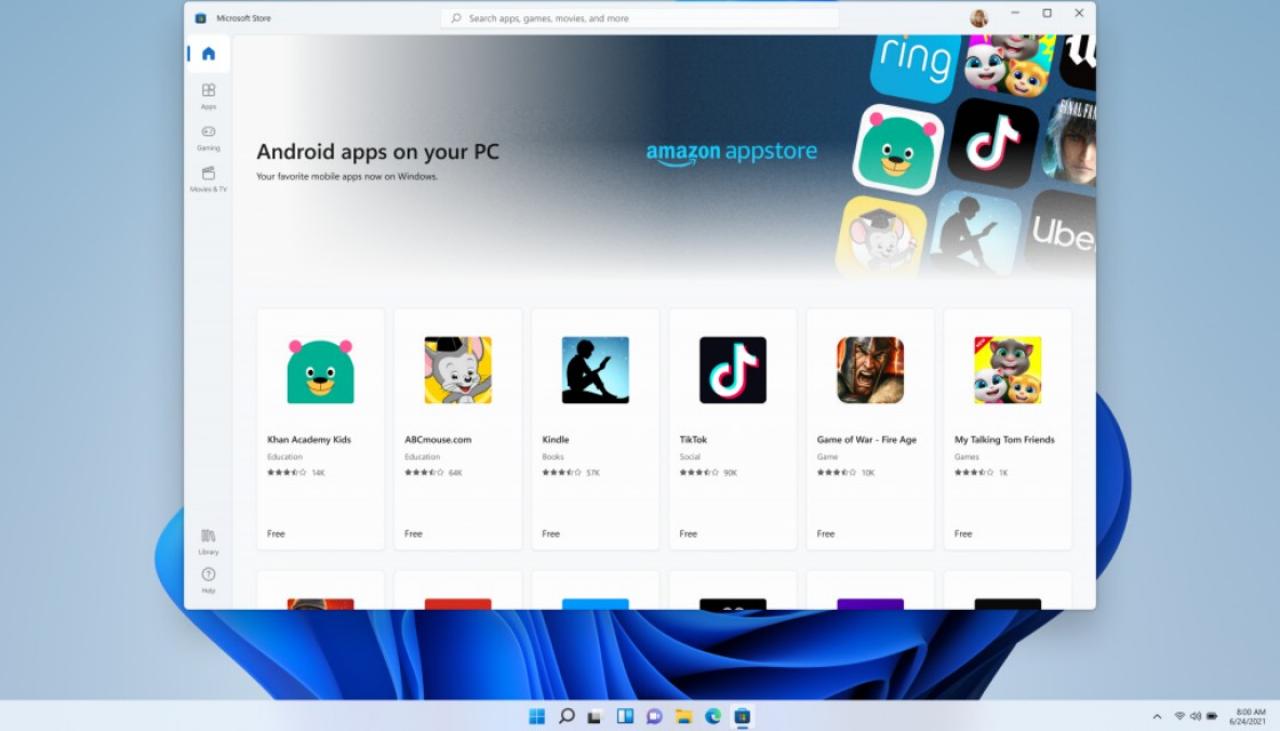
Warren noted that he rarely used the Widgets panel or Microsoft Teams, citing that he preferred the weather display that later versions of Windows 10 offered, and didn't use Teams to communicate with his friends and family. He also acknowledged the expansion of Microsoft Store to include more "traditional" desktop applications. Overall, he concluded that "I wouldn't rush out to upgrade to Windows 11, but I also wouldn't avoid it. After all, Windows 11 still feels familiar and underneath all the UI changes, it's the same Windows we've had for decades." Internet Explorer has been replaced by the Chromium-based Microsoft Edge as the default web browser, and Microsoft Teams is integrated into the Windows shell. Microsoft also announced plans to allow more flexibility in software that can be distributed via Microsoft Store, and to support Android apps on Windows 11 . In October 2019, Microsoft announced "Windows 10X", a future edition of Windows 10 designed exclusively for dual-touchscreen devices such as the then-upcoming Surface Neo.
Legacy Windows applications would also be required to run in "containers" to ensure performance and power optimization. Microsoft stated that it planned to release Windows 10X devices by the end of 2020. Cunningham concluded that "as I've dug into and learned its ins and outs for this review, I've warmed to it more", but argued that the OS was facing similar "public perception" issues to Windows Vista and Windows 8. A redesigned user interface is present frequently throughout the operating system, building upon Fluent Design System; translucency, shadows, a new color palette, and rounded geometry are prevalent throughout the UI.
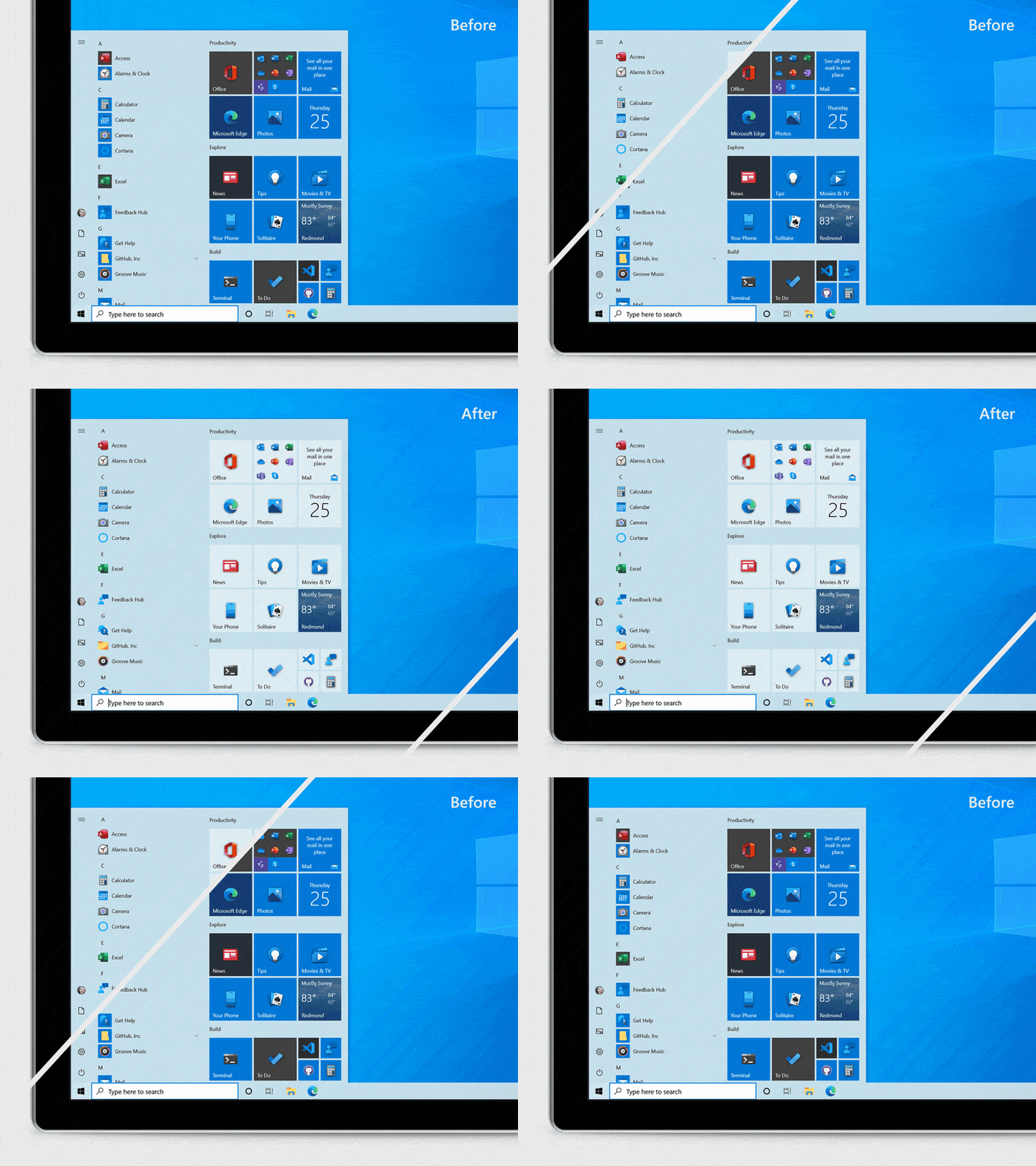
A prevalent aspect of the design is an appearance known as "Mica", described as an "opaque, dynamic material that incorporates theme and desktop wallpaper to paint the background of long-lived windows such as apps and settings". Minor complaints aside, we like to see Microsoft giving its marquee software some attention. For the last few years, the company has focused more on its Azure cloud computing services—justifiably given that business's profitability. Windows 11 brings slick new looks, useful new tools, updated default apps, extra capabilities, and performance advances. For the past six years, Windows users have watched on the sidelines as the tech landscape changed at a breakneck pace.
When Microsoft's sporadic "feature updates" did arrive, they were often plagued with bugs, some so damaging the updates were suspended. And yet, despite its rocky path, Windows 10 will go down as a success, a stopgap to the mess its predecessors left behind. It brought back the traditional desktop interface, gave PC owners reliable performance, and popularized touchscreen displays and hybrid 2-in-1 laptops. Windows 11 release date is set for October 5, Microsoft on Tuesday announced — a couple of months after unveiling the new operating system.
The new Windows version will bring a list of changes, including the refresh interface and a centrally placed Start menu. However, it will not include support for Android apps at the time of its official release in October. The new Windows OS takes cues from its smartphone relatives, simplifying basic settings changes and making them easy to access.
One click or tap in the corner of your taskbar to pull up a control panel similar to Apple's Control Center, which lets you futz with settings like brightness and volume, connectivity, and more. Windows apps now feature more aesthetically pleasing curved corners, and the Settings app has more options to change how you interact with the OS thanks to more accessibility features. New sounds and audio cues are available for blind users, and themes for people with light sensitivity or those working long hours have been updated to be easier on the eyes. On top of the delayed Android feature, Microsoft sparked some confusion with relatively steep hardware requirements that have evolved over time and include demands for security features like TPM 2.0. Microsoft will technically let you install Windows 11 on unsupported hardware, but you might be denied updates unless you're willing to install new OS images on a frequent basis. Unlike Windows 10, then, you can't just assume your years-old computer will run this software without a hitch — there's a chance you'll have to upgrade your hardware first, even if it's still fast enough for your needs.

Anyone with one of the newer chips should have no trouble installing Windows 11 via Windows Update. Microsoft made a downloadable ISO disk image file for the beta Insider version available for installing Windows 11, allowing in-place upgrades or clean installations on a PC or in a virtual machine. A similar installation option is now available for the release version of Windows 11 via Microsoft's Download Windows 11 page. Some sources have reported that installing the OS with the ISO installer bypasses the system's hardware requirements, but that's not advisable as you may not get future OS updates if you install it on unsupported hardware. As with Windows 10, you can let the company know what you'd like to see added to the software in a dedicated Feedback Hub app, and you may be surprised at how often it listens. Anyone can sign up for preview builds of the OS through the Windows Insider Program.
This lets you experience new features before they're available for general release. The next major update, 22H2 is expected to add Start menu options along with some redesigned stock apps. If your existing Windows 10 PC is running the most current version of Windows 10 and meets the minimum hardware specifications it will be able to upgrade to Windows 11. The upgrade rollout plan is still being finalized, but for most devices already in use today, we expect it to be ready sometime in early 2022.
Not all Windows 10 PCs that are eligible to upgrade to Windows 11 will be offered to upgrade at the same time. To see if your PC is eligible to upgrade, download the PC Health Check app. Once the upgrade rollout has started, you can check if it is ready for your device by going to Settings/Windows Updates. Perhaps the most important thing to know about the release of Windows 11 is that we should expect it to change significantly over the next few years. I've been using beta versions of Windows 11 for a month in the lead-up to writing this review, and it seems like every few days there's a minor new feature or redesigned app to check out. As part of the minimum system requirements, Windows 11 only runs on devices with a Trusted Platform Module 2.0 security coprocessor.
According to Microsoft, the TPM 2.0 coprocessor is a "critical building block" for protection against firmware and hardware attacks. In addition, Microsoft now requires devices with Windows 11 to include virtualization-based security , hypervisor-protected code integrity , and Secure Boot built-in and enabled by default. The operating system also features hardware-enforced stack protection for supported Intel and AMD processors for protection against zero-day exploits. The "Widgets" button on the taskbar displays a panel with Microsoft Start, a news aggregator with personalized stories and content (expanding upon the "news and interests" panel introduced in later builds of Windows 10). Microsoft Teams is similarly integrated with the taskbar, with a pop-up showing a list of recent conversations. In January 2021, it was reported that a job listing referring to a "sweeping visual rejuvenation of Windows" had been posted by Microsoft.
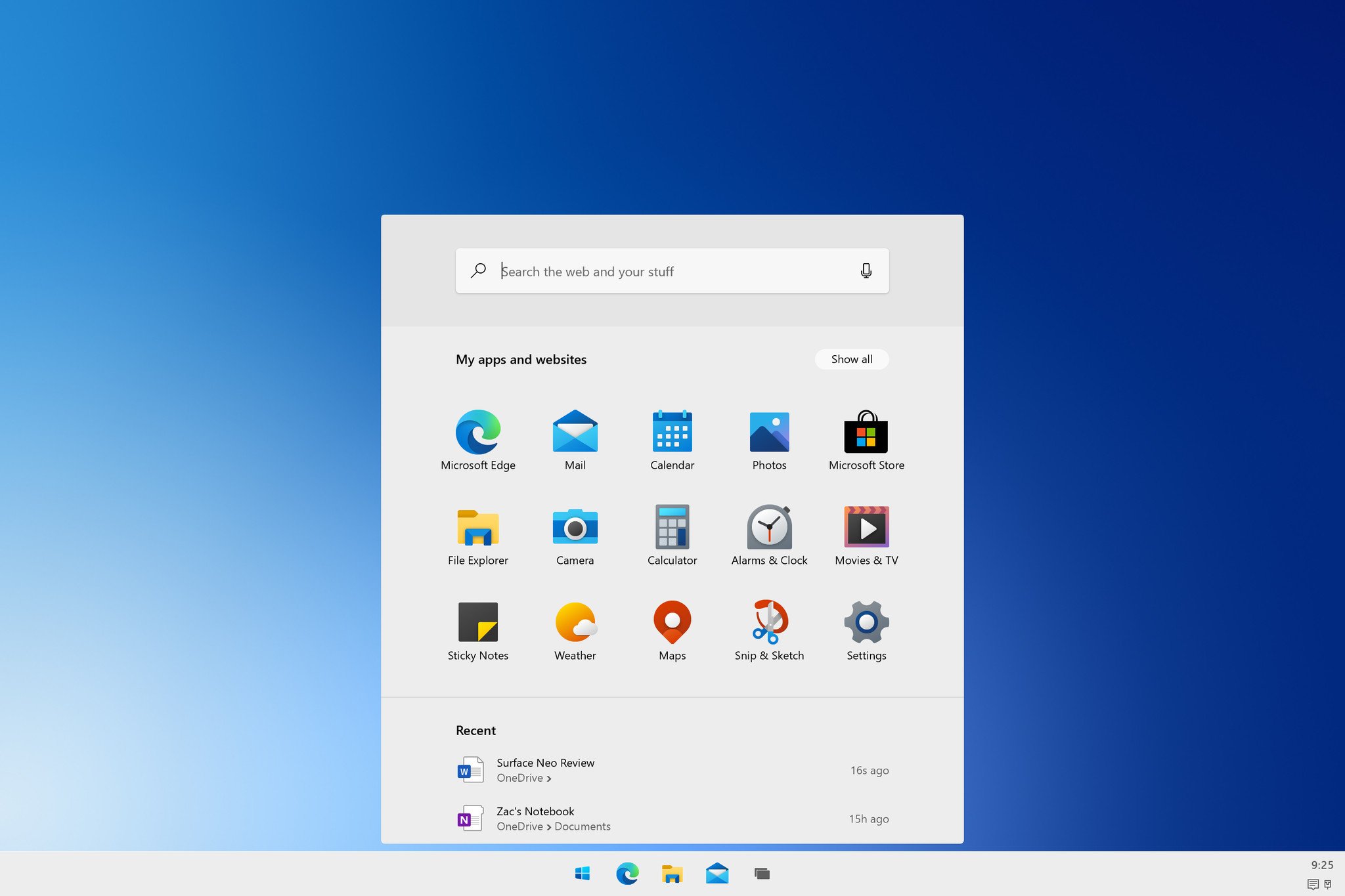
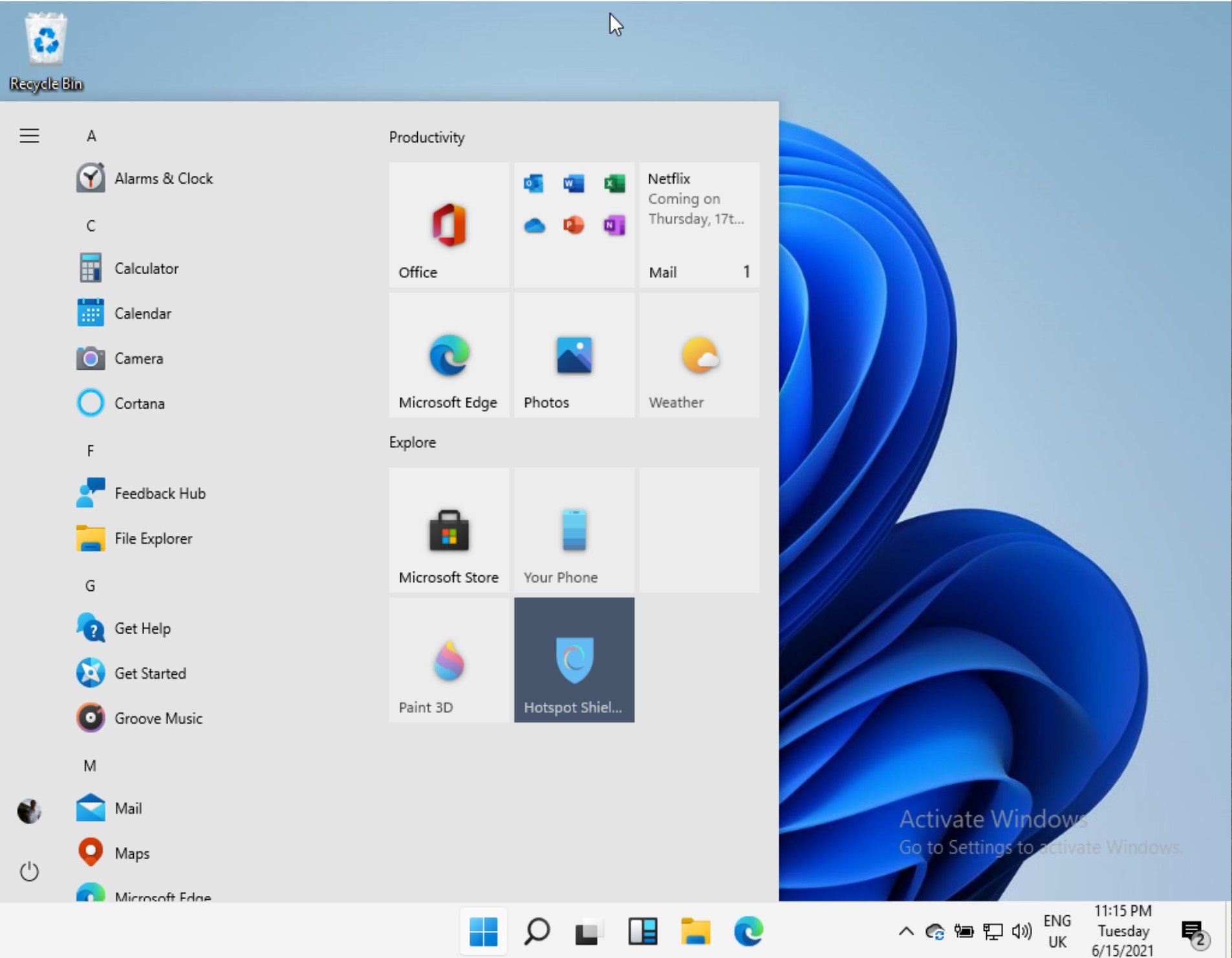
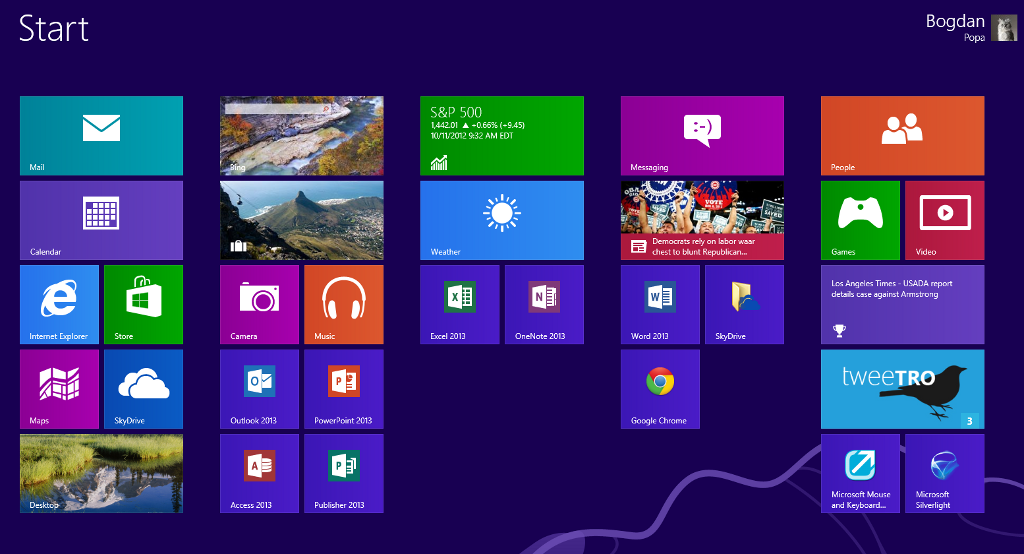
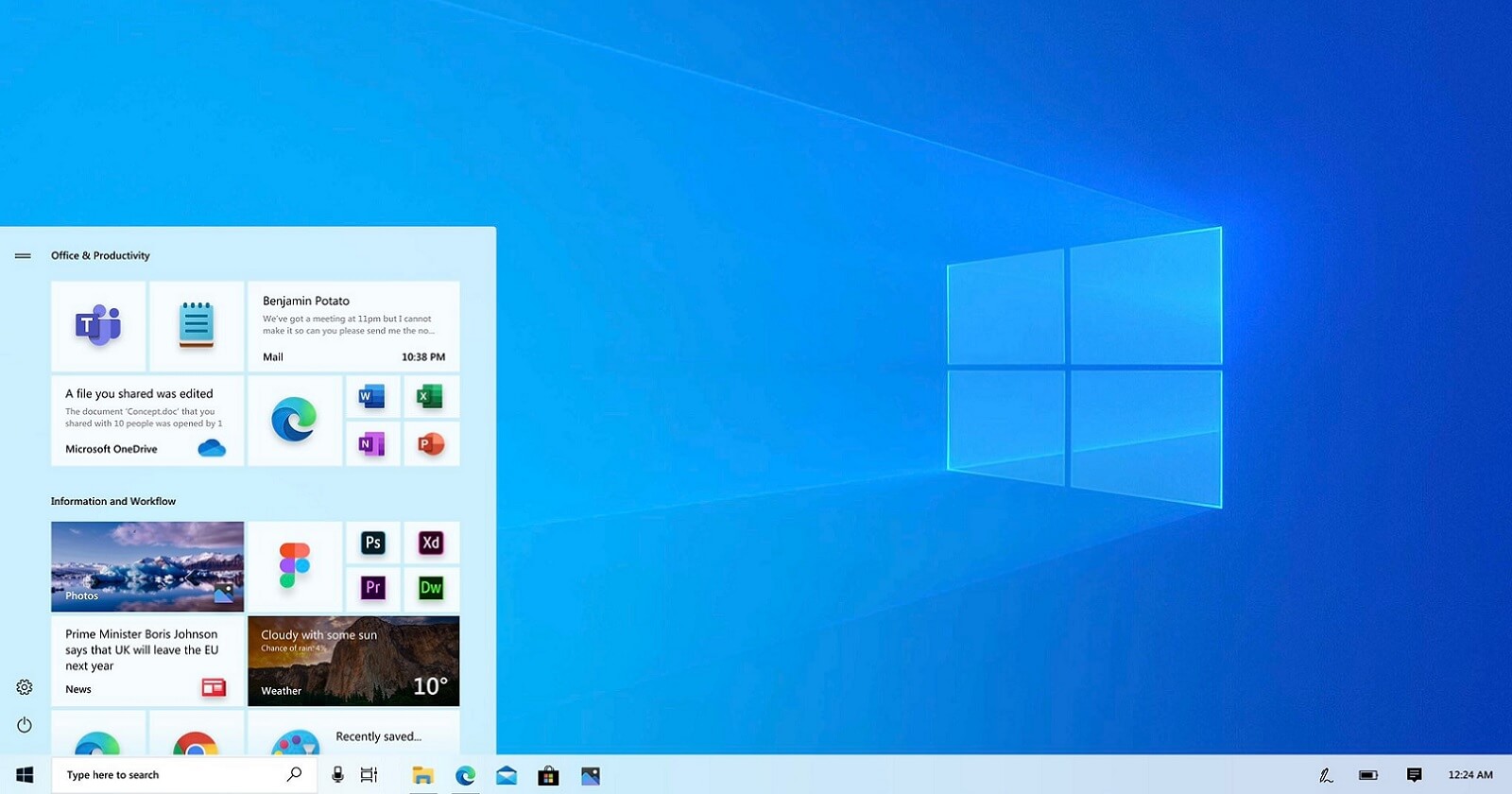
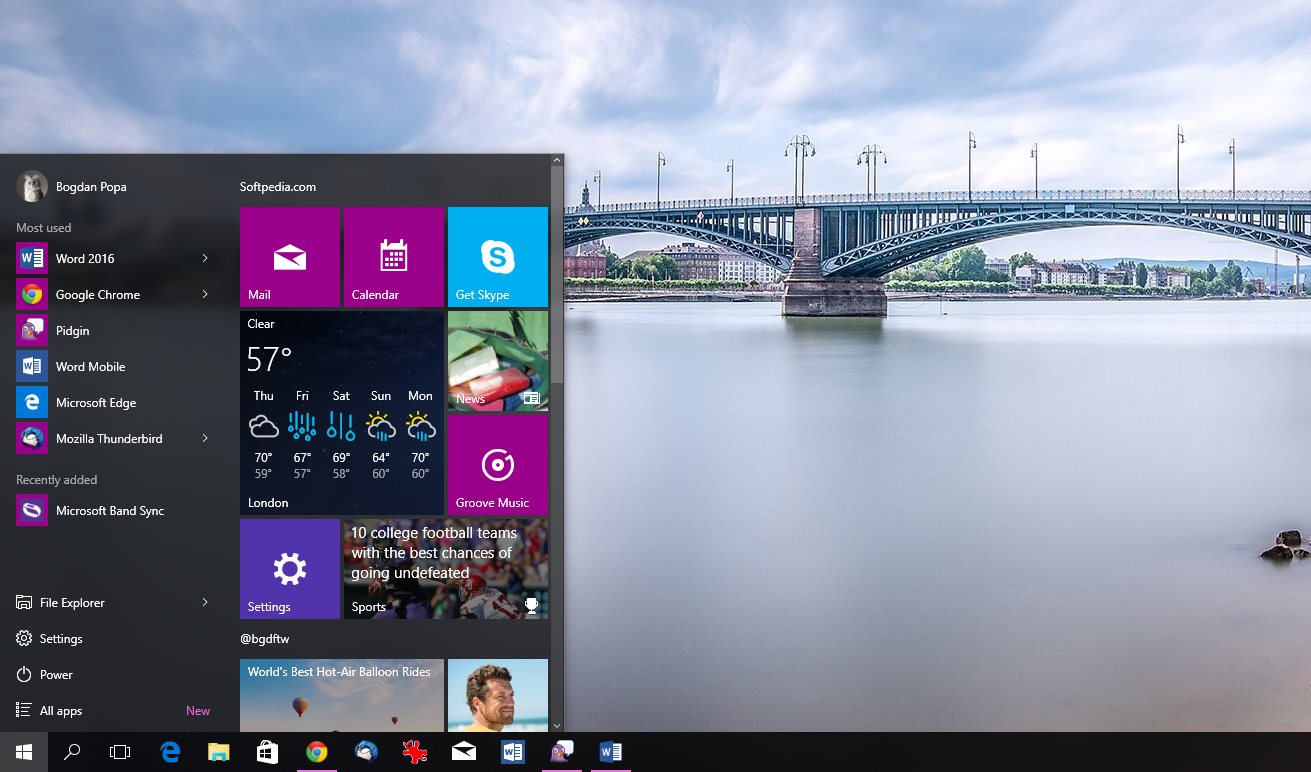
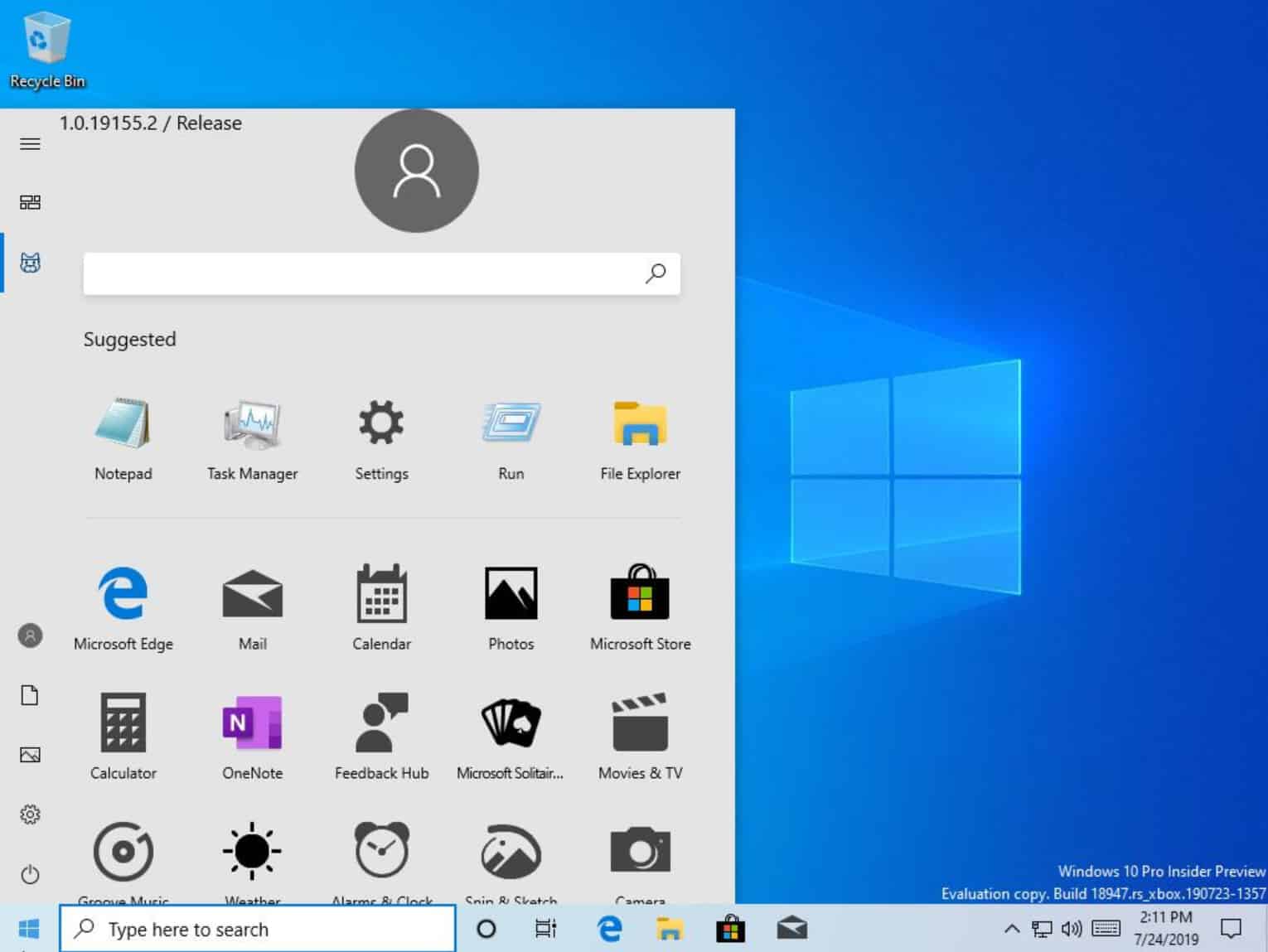
A visual refresh for Windows, developed under the codename "Sun Valley", was reportedly set to re-design the system's user interface. Windows 11, first introduced back in June, delivers a sleeker look compared to its previous versions. New features include support for Android apps, more detailed widgets, an update to layouts for snapping applications to the screen and a completely revamped Microsoft Store. Windows 11 also includes a new user interface, a redesigned Start menu, Microsoft Teams integration, and much more. Pinned app buttons (they're larger than icons but smaller than Windows 10's tiles) are at the top of its panel.
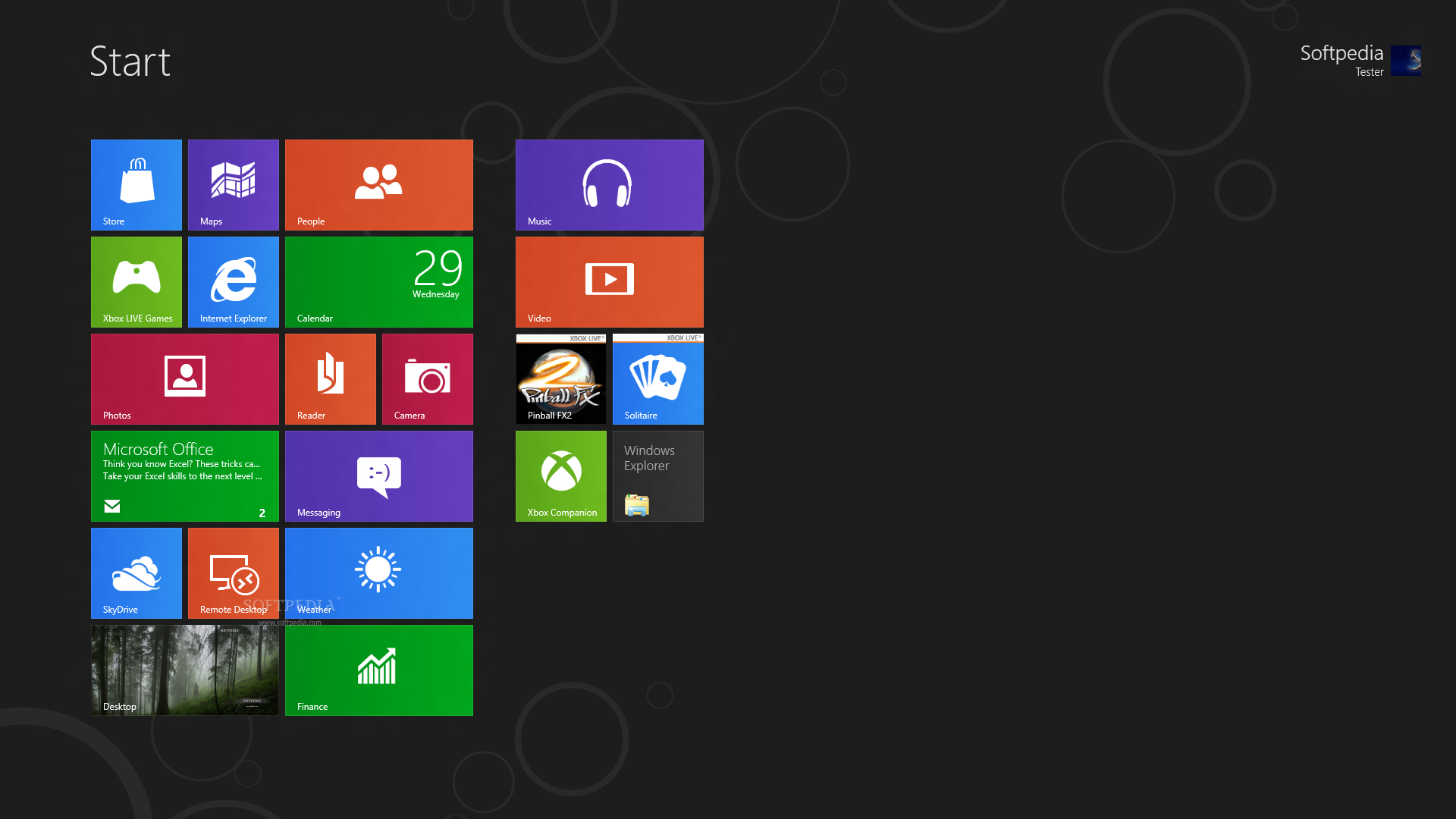
The Start menu's new mini-tiles are still good for touch input, but you lose info that live tiles offer, annoying as those could sometimes be. Another quibble I have with the new Start menu is that it's harder to get to the All Apps view than in Windows 10. With that version of Windows, you can see all installed apps as soon as you open the Start menu; they're in a list on the left while tiles for your pinned apps are on the right.

Windows 11 SE was announced on November 9, 2021, as an edition exclusively for low-end devices sold in the education market, and a successor to Windows 10 S. It is bundled with applications such as Microsoft Office for Microsoft 365, Minecraft Education Edition, and Flipgrid, while OneDrive is used to save files by default. Windows 11 SE does not include Microsoft Store; third-party software is provisioned or installed by administrators. Microsoft has officially released Windows 11 in its stable form, and the new update is free for existing Windows 10 users on compatible PCs worldwide. Microsoft expects all eligible devices will have access to the free Windows 11 upgrade by mid-2022.
The update was released a day earlier to its planned launch date of 5 October. Microsoft has yet released an official statement regarding the pricing of Windows, or whether it will be a free upgrade like the previous versions were free updates for license holders. However, as per an article by Android Authority, Windows 11 will most likely be a free upgrade for individuals using Windows 10 or Windows 8 with valid licenses.
The Windows 11 free upgrade will be installed onto your computer/laptop just like any other Windows update, without any hassle or manual updation required. The article by Android Authority also states that all of your personal user data and settings will be preserved in the update and will be applied to the Windows 11 update. Windows 11 download will be available once Microsoft released the update publicly.

Microsoft has promised to relaunch the PC Health Check app soon to let users check the eligibility status of their Windows 10 PCs. In the meantime, you can get the PC Health Check app in preview if you're a member of the Windows Insider programme. You can also look at Windows 11 minimum system requirements to determine whether your PC stands eligible to receive the new operating system update. Windows 11 has higher technical requirements than Windows 10, is possible to install Windows 11 on devices that don't meet the minimum requirements. Upgrading unsupported hardware to Windows 11 will require you to install the update manually using an ISO.
There is a different set of minimum minimum requirements your PC will have to meet including 4GB of RAM, 64GB of storage space, and two-core 64-bit 1 GHz processor. While Android apps won't be available from the day Windows 11 will be released to everyone, users will get most of the promised features. These include Microsoft Teams integration, a new design with an updated Start menu, Snap Layouts, Groups, Desktops for improved multitasking, and an improved Microsoft Store app.
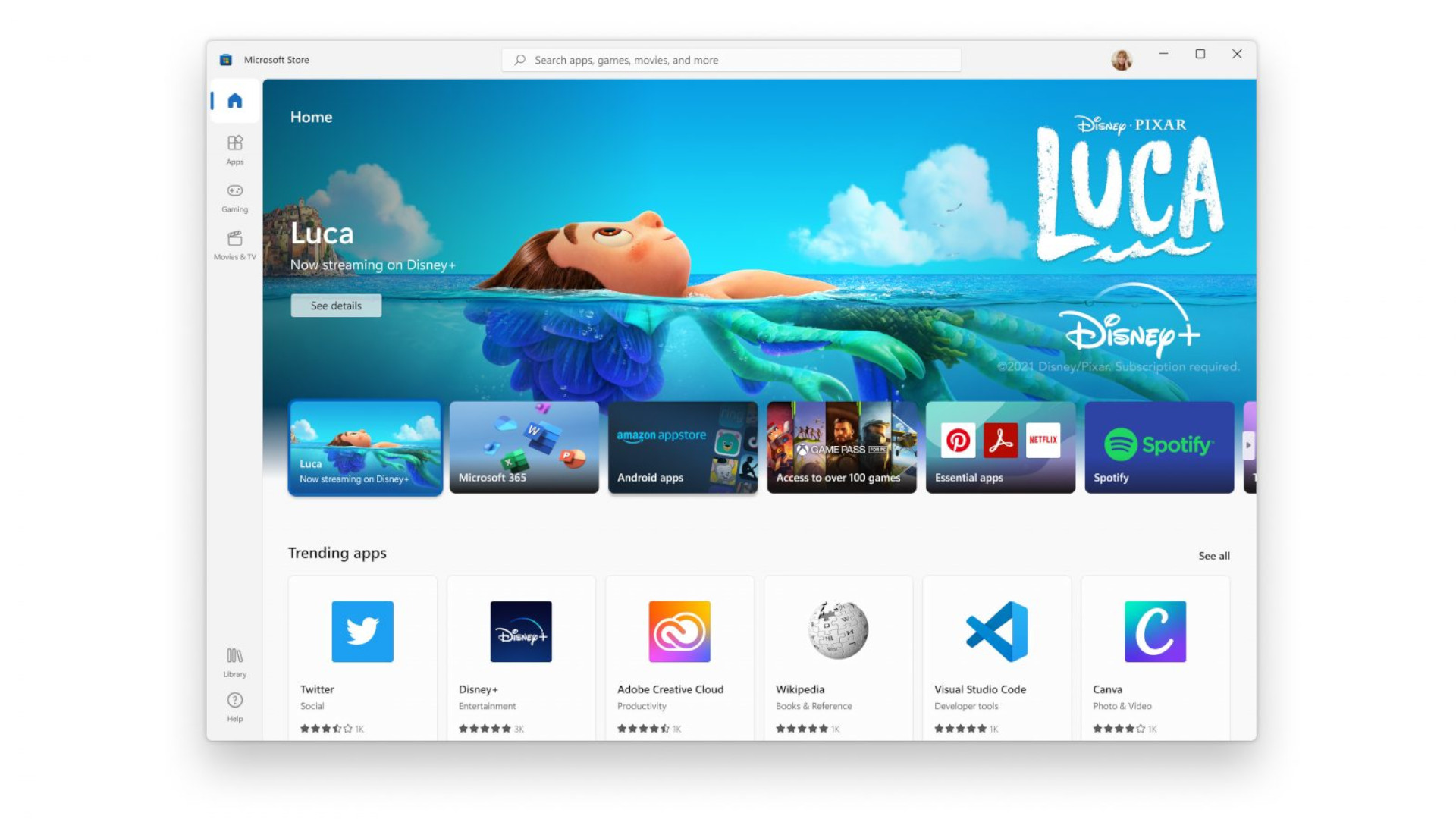
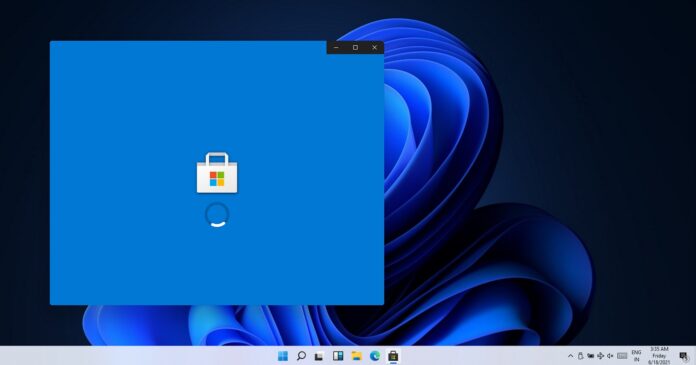
Is Microsoft Release Windows 11 Windows 11 brings a refreshed user interface, better performance and security, and a variety of new features. Based on my initial experience using a review version of Windows 11 for the past two days, it's a solid upgrade with some nice benefits, but not a drop-everything-and-get-this update for Windows 10 users. Windows 11 features a new version of the Microsoft Store, with a new interface and a broader selection of apps.

This new store is meant to have an easier to use and better-curated digital storefront. It should also be faster, "We rebuilt for speed", said Panos Panay during the Windows 11 announcement. So far our experience of it is much the same as the rest of Windows 11... But it's also still mostly filled with apps you'd likely download direct from your browser, or wouldn't want to touch at all. Windows Widgets are back in Windows 11, accessible via the dock, with Microsoft touting AI-powered dynamic features that enable widgets, as with the Start menu, to change depending on the apps you're using and the time of day. On the touchscreen, you can slide from the left on the desktop to have widgets appear.

Original equipment manufacturers can still ship computers without a TPM 2.0 coprocessor upon Microsoft's approval. Devices with unsupported processors are not blocked from installing or running Windows 11; however, a clean install or upgrade using ISO installation media must be performed as Windows Update will not offer an upgrade from Windows 10. Some third-party software may refuse to run on "unsupported" configurations of Windows 11. Windows 11, the first major Windows release since 2015, builds upon its predecessor by revamping the user interface to follow Microsoft's new Fluent Design guidelines.

The redesign, which focuses on ease of use and flexibility, comes alongside new productivity and social features and updates to security and accessibility, addressing some of the deficiencies of Windows 10. Instead of the somewhat clunky tiling system found in the previous iteration of the iconic taskbar, Windows 11 peels away the cruft and gives you what you need. In my case, it's a list of recently accessed files along with a tray of pinned apps for easy access, with a universal search bar at the top for easy web (or on-device) searching. The clean lines and use of widgets to display information like weather, news, and photos is a welcome change of pace from the busy screen in Windows 10. The biggest change to Windows 11 is its more stringent hardware requirements.
If your PC is recent, say, within the past five years, you should be alright, but older devices may be stuck with Windows 10 for the foreseeable future. That's not to say the company won't be providing security updates to Windows 10, but that's about as much as you can hope for. Since the controversial hardware decision—implemented for both performance and security reasons—Microsoft added Windows 11 support for some older computers, but the company still recommends against it. Microsoft has recently announced the next major Windows update - Windows 11.

The current Windows 10 version has been running over the past 6 years since its launch. Tech enthusiasts had been waiting for a long time for any updates on the upcoming Windows version. Now that Microsoft has made the official announcement, many people are wondering whether the upcoming Windows update will be free or will people have to pay for the license. Read on to know more about the upcoming Windows 11 features and is Windows 11 free.

In addition to apps you can get in the Store, you also get standard apps like an updated Photos app, the FLAC-capable Groove Music player, Voice Recorder, two Paint apps , Mail, Calendar, and so on. We can hope for the last two mentioned to be greatly improved as Windows 11 development progresses. In the initial release, we still have the existing apps, albeit with rounded corners, but new versions will be based on the excellent Progressive Web App versions of Outlook.com. Microsoft has already started including the updated Paint app (though I've started to enjoy the modern Paint 3D), as well as new versions of Notepad (with a dark mode!) and the Calculator.
File Explorer is a good example of Windows 11's new look, particularly its updated left panel controls and folder icons. Note the simplified ribbon along the top, which is far less busy and distracting than the previous File Explorer's. The New button at the top left works for new folders or documents supported by your apps, and the same viewing options for files are available. The overflow menu offers file compression, selection, and Properties options, as well as the old Folder Options dialog. The right-click context menus, which have grown longer and longer over the years, get shorter, smarter, and clearer in Windows 11.
Windows 11 will be provided as a free update to all eligible devices that are currently running Windows 10. Eligibility for automatic upgrade is based on certain minimum hardware requirements. If the Microsoft Surface family of products isn't your style though, other brands like Dell, Asus and HP have all released pages online that specify what devices are Windows 11 ready.
Note that many won't come with the new operating system installed, but as they all meet the minimum system requirements, you can simply buy the laptop or 2-in-1 as normal and then update it yourself. Independently of feature updates, Microsoft has confirmed that Windows 11 will be getting its first big update in February 2022. Confirmed features include redesigned Notepad and Media Player apps, new taskbar functionality and a public preview of native Android app support. With the PC Health Check app soon, users can check to see if their current PC will be eligible to upgrade. Depends on how you feel about some of the biggest changes coming to Microsoft's primary OS.

Microsoft is redesigning the virtual desktops screen with some much-needed multitasking improvements. In addition to the new design, Microsoft is introducing three new features - the ability to change the position of each virtual desktop. Customize the backgrounds for all your virtual desktops, and support for multi-monitor setup. Tech enthusiasts have been waiting for a long time for the Windows 11 update. All the previous Windows versions were usually released with a gap of around 3 years, so the 6 years between Windows 10 and 11 was a long wait. However, Windows 10 was unlike previous Windows updates and Microsoft provided frequent large patches and updates to Windows 10 to keep it fresh and relevant.
As per an announcement by Microsoft, Windows 11 be officially launched on June 24, 2021, about a week from now. While June 24 has been declared as the official launch date, it is unclear when the update will be made available for Windows users for download. The millions of Windows users who don't use Teams can remove the icon, but they'll need to do so from Settings — there is no simple right-click, unpin option for pre-installed apps.
Those who do use the video conferencing software can launch video calls, host chats, or bring up the full Teams app. I'm sure some will find this convenient, but most Windows 11 users will wonder why something they'll never touch is featured so prominently on the desktop. Many of the changes in Windows 11 are cosmetic, intended to make the operating system less cluttered and more approachable.